Allergic Rhinitis & Nasal Blockage in Seremban
Constant sneezing, a runny or blocked nose, or itchy eyes? Allergic rhinitis can disturb your daily activities and sleep, and our ENT specialists at KPJ Seremban Specialist Hospital can find the cause and plan the right treatment for you.
- ENT specialist-led care
- Inside KPJ Seremban
- Panel insurance accepted
Is your nose blocked or itchy?
Tick what you notice. This is only a guide, not a diagnosis.
Signs of allergic rhinitis
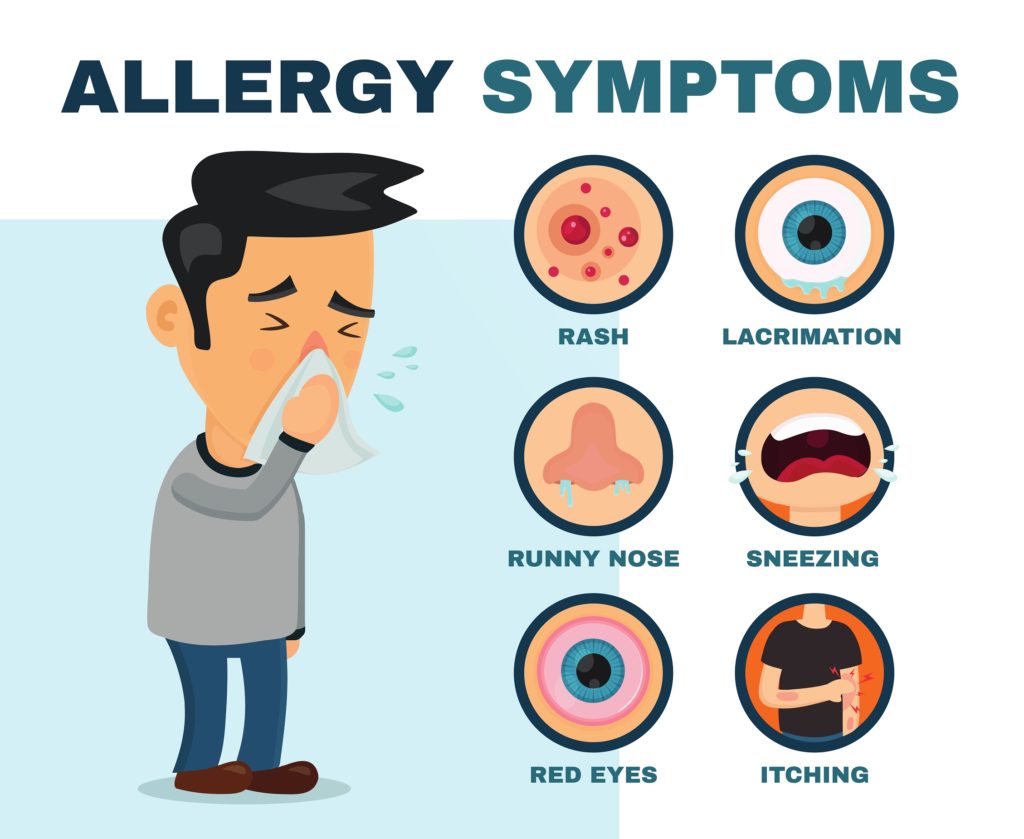
Rhinitis is an inflammation of the lining of the nose. It causes frequent nasal discharge, blockage, sneezing and itchiness of the nose and eyes, and severe cases can affect daily activities and sleep quality.
Nasal blockage
A stuffy nose that makes breathing hard.
Nasal discharge
Frequent runny or watery nose.
Sneezing
Repeated sneezing fits, often on waking.
Itchy nose & eyes
Itching of the nose and eyes.
Smell disturbances
Reduced or altered sense of smell.
Symptoms that persist for weeks, keep disturbing your sleep, or come with a loss of smell should be checked by an ENT specialist rather than managed with long-term decongestants.
How we treat allergic rhinitis
Treatment is planned after examination, based on the type of rhinitis and how much it affects you.
Medicines
Nasal corticosteroid sprays and oral antihistamines are commonly used to control inflammation and allergy symptoms.
- Nasal corticosteroids
- Oral antihistamines
Lifestyle changes
Identifying and reducing contact with the allergens or irritants that trigger your symptoms helps improve them over time.
- Limit exposure to known allergens
- Avoid smoke, strong odours and fumes
Surgery
When a structural problem in the nose keeps causing blockage, procedures such as septoplasty, turbinoplasty or submucosal diathermy may be considered after assessment.
- Septoplasty
- Turbinoplasty and submucosal diathermy
Living well with allergies
Many triggers cannot be avoided completely, but reducing exposure and using medicines properly can make a real difference.
✓Better habits
- Reduce exposure to a known allergen
- Keep away from smoke, strong odours and fumes
- See an ENT specialist if blockage keeps affecting sleep
✕Please avoid
- Relying on decongestants for long periods
- Ignoring persistent blockage or loss of smell
- Stopping prescribed nasal sprays without advice
Simple, 3-step care
From booking to easier breathing, here is what to expect.
Examine
Your specialist assesses your nose and sinuses to understand the cause of your symptoms.
Treat & advise
A personalised plan is set up, with advice on managing triggers and follow-up.
Allergic rhinitis FAQ
Quick answers to what patients in Seremban ask us most.
Ask a questionWhat is allergic rhinitis?
Allergic rhinitis is an allergic reaction to airborne allergens, such as seasonal grass or pollen, or year-round allergens like dust and animal dander. When it is caused by seasonal allergens it is often called hay fever.
Is allergic rhinitis contagious?
No, allergic rhinitis is not contagious.
What else can cause a blocked or runny nose?
Non-allergic rhinitis, often after a viral infection, can also cause these symptoms. Other causes include vasomotor rhinitis, triggered by temperature or humidity changes, hormonal changes, stress, alcohol, some medicines and prolonged use of decongestants.
What is hay fever?
Hay fever is another name for allergic rhinitis.
Can I prevent allergic rhinitis flare-ups?
It is difficult to avoid every allergen completely, but you can reduce your exposure to the triggers you know or suspect are causing your symptoms, which helps improve them.
How do I schedule an appointment?
Call 019-288 1883 or WhatsApp us, or book online here.
Ready to breathe more comfortably?
Book a consultation with our ENT specialists, Dr. Thong How Kit and Prof. Dr. Primuharsa Putra.
- LocationKPJ Seremban Specialist Hospital, Suite 3-03 & 6-02
- Clinic hoursMon–Fri 8:30am–5:00pm
Sat 8:30am–12:30pm · Sun & PH closed
This page is for general information and does not replace a medical consultation.