Nasal Polyps & Sinusitis in Seremban
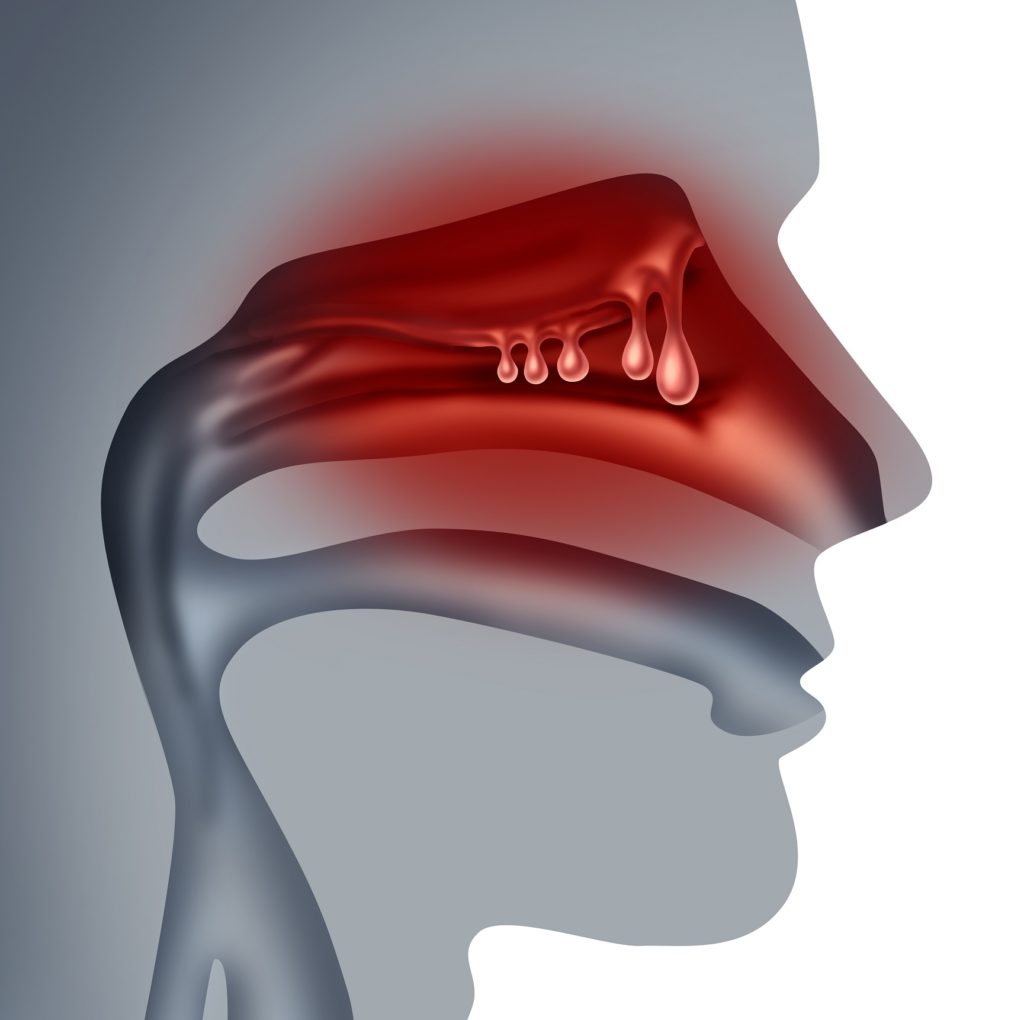
Nasal polyps are grape-like growths from the lining of the nose and sinuses, often linked to chronic rhinosinusitis. Our ENT specialists at KPJ Seremban Specialist Hospital can assess your condition and advise on the right treatment, including surgery when needed.
- ENT specialist-led care
- Inside KPJ Seremban
- Panel insurance accepted
Is your nose or sinus blocked for weeks?
Tick what you notice. This is only a guide, not a diagnosis.
Signs of nasal polyps
Nasal polyps are swollen tissue that protrudes from the sinus lining into the nasal cavity. They are often associated with chronic rhinosinusitis, and many patients also have underlying allergies.
Nasal blockage
Congestion that does not clear.
Nasal discharge
Ongoing runny or blocked drainage.
Facial pain
Pressure around the nose and cheeks.
Headache
Often felt over the sinuses.
Smell disturbances
Reduced or lost sense of smell.
Bleeding from the nose, a blockage on one side only, or symptoms that keep returning should be checked promptly by an ENT specialist, as these need a proper nasal examination to confirm the cause.
How we treat nasal polyps
Treatment depends on the size and extent of the polyps and how much they affect you. Your ENT specialist will recommend the most suitable option after examination.
Nasal corticosteroids
Nasal steroid sprays reduce inflammation in the nasal lining and can shrink polyps and ease blockage when used regularly as prescribed.
- Used as part of ongoing care
- Lifestyle changes support results
Oral corticosteroids
Mild nasal polyps may respond to oral steroid tablets. An ENT specialist should be consulted before starting any oral corticosteroid.
- Suitable for mild cases
- Only on specialist advice
Functional endoscopic sinus surgery (FESS)
When polyps do not respond to medicines, surgery can remove them and open the sinus passages. Polyps can recur after surgery, so follow-up and continued treatment are important.
- Considered after examination
- Followed by ongoing care
Keeping polyps under control
Many patients with polyps also have allergies, so ongoing management matters as much as the first treatment.
✓Better habits
- Take prescribed nasal medicines regularly
- Keep your follow-up appointments
- Reduce exposure to known allergens and irritants
✕Please avoid
- Starting oral steroids without an ENT review
- Stopping treatment once symptoms ease
- Ignoring recurring blockage or facial pain
Simple, 3-step care
From booking to clearer breathing, here is what to expect.
Examine
Your specialist looks inside the nose with a nasoendoscope to check for polyps and sinus disease.
Treat & follow up
A treatment plan is set, with follow-up to watch for recurrence.
Nasal polyps FAQ
Quick answers to what patients in Seremban ask us most.
Ask a questionWhat are nasal polyps?
Nasal polyps are grape-like growths that appear from the lining of the nasal cavity and sinuses. Chronic rhinosinusitis is the condition most often associated with them.
How do I tell nasal polyps apart from cancer?
Cancer has a different appearance and symptoms, and is often accompanied by nosebleeds and other systemic symptoms. An ENT surgeon needs to perform a nasoendoscopic examination to confirm the diagnosis.
Can oral corticosteroids help?
Yes, mild nasal polyps may respond to oral corticosteroids. However, an ENT surgeon should be consulted before starting any oral corticosteroids.
What triggers nasal polyps?
Various intrinsic and extrinsic factors may contribute to the growth of nasal polyps. Many patients also have underlying allergies, and a number of conditions are associated with their development.
Are nasal polyps contagious?
No, nasal polyps are not contagious.
Can nasal polyps come back after surgery?
Yes, many patients with nasal polyps also have allergies, so polyps can recur after surgery. Following your prescribed treatment and keeping follow-up appointments can help prevent recurrence.
How do I schedule an appointment?
Call 019-288 1883 or WhatsApp us, or book online here.
Ready for clearer sinuses?
Book a consultation with our ENT specialists, Dr. Thong How Kit and Prof. Dr. Primuharsa Putra.
- LocationKPJ Seremban Specialist Hospital, Suite 3-03 & 6-02
- Clinic hoursMon–Fri 8:30am–5:00pm
Sat 8:30am–12:30pm · Sun & PH closed
This page is for general information and does not replace a medical consultation.